What the World Was Like the Last Time Italy Played in a World Cup
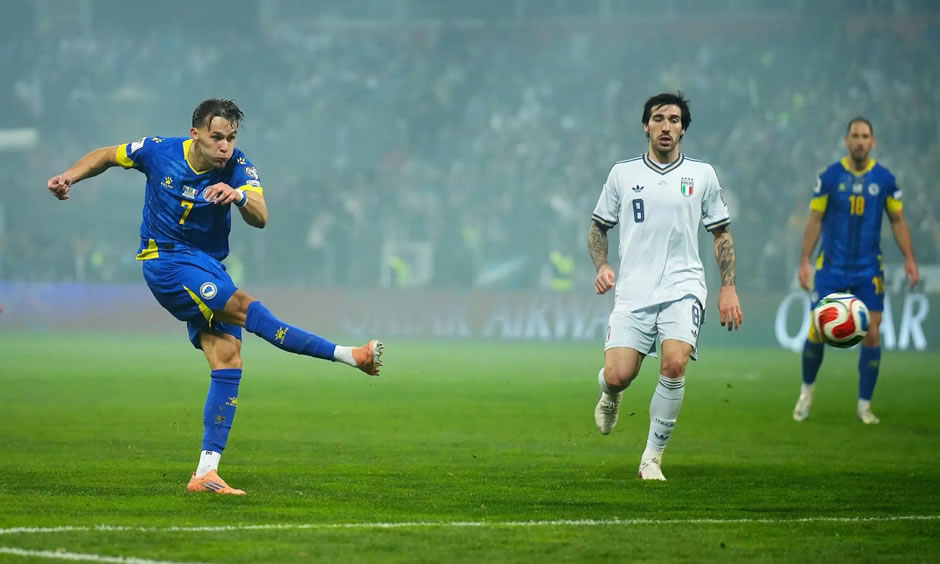
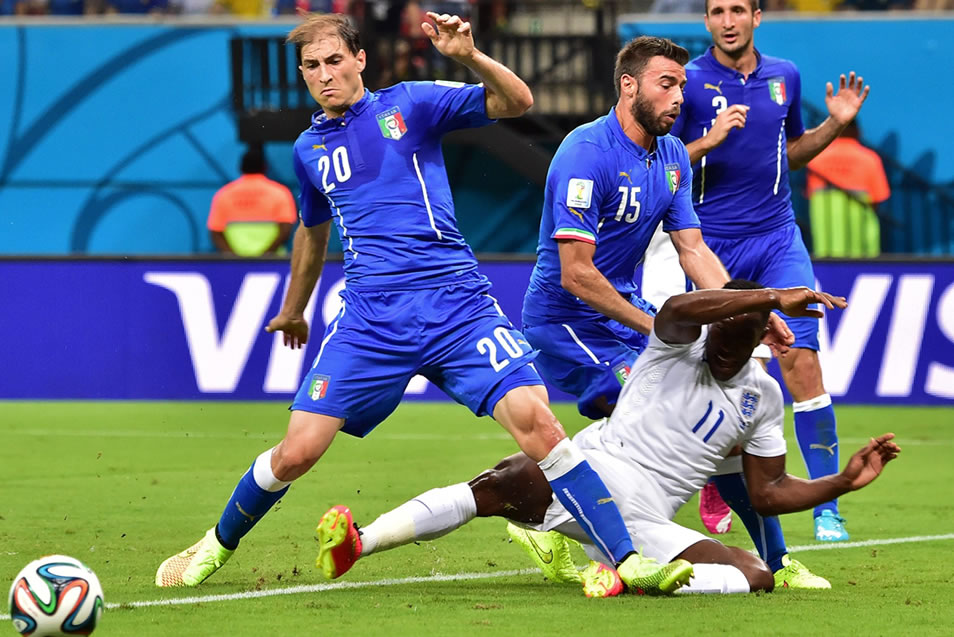
When the Italy national team last stepped onto the pitch in a World Cup, during the 2014 FIFA World Cup, the world still seemed to exist in a completely different reality from the one we know today.
This is not just about football. It is about a historical snapshot.
Since then, the world has changed — politics, technology, culture, entertainment, and behavior. Countries have shifted direction, leaders have risen and fallen, trends have emerged and disappeared. What once dominated has become obsolete. What once seemed distant has become part of everyday life.
Italy’s absence from subsequent World Cups does not merely mark a sporting crisis. It creates a curious “time marker”: a fixed point in the past that allows us to look back and ask — what was the world really like back then?
A world not yet fully dominated by digital transformation
In 2014, the world was already connected — but it was not yet ruled by algorithms the way it is today.
Instagram was growing rapidly, but it had not yet become the absolute powerhouse of influence it would later become. TikTok did not even exist. Content consumption was still divided between social media and traditional television.
Netflix was beginning its global expansion, but streaming had not yet completely disrupted traditional media. Many people still watched TV shows on a schedule, followed weekly episodes, and consumed content at a slower pace.
Smartphones were already widespread, but they had not yet reached the level of dependency we see today. The world still existed somewhere between online and offline life.
Global politics: a completely different landscape
If we look at international politics in 2014, it feels like looking into another world.
In the United States, the president was Barack Obama, serving his second term. Political polarization existed, but it had not yet reached the extreme levels that would define the years to come.
In Europe, Angela Merkel stood as one of the most influential leaders on the continent, guiding Germany through economic challenges with relative stability.
In Brazil, the host nation of that World Cup, the country was under the leadership of Dilma Rousseff. The protests of 2013 were still echoing, and the country was experiencing rising political tension — but still far from the deep fractures that would follow.
The war in Ukraine, which today reshapes global geopolitics, had not yet escalated into the large-scale conflict we now witness. The international scene was unstable, but not yet as volatile as it would become.
Football lived in another era
On the pitch, football itself was also different.
The 2014 World Cup was marked by historic moments — including Brazil’s shocking 7–1 defeat to Germany. Italy, meanwhile, was eliminated in the group stage in an underwhelming campaign.
But the global football landscape was entirely different:
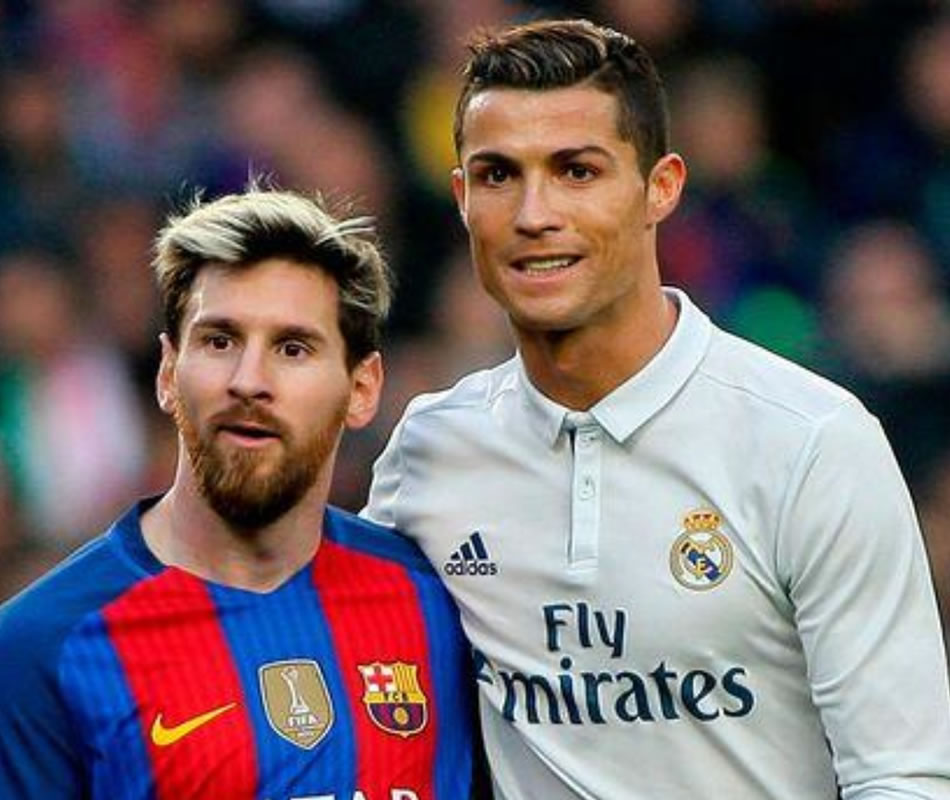
- Cristiano Ronaldo and Lionel Messi were at the peak of their legendary rivalry
- FC Barcelona still revolved around the tiki-taka philosophy
- Real Madrid was beginning its era of European dominance
Players who are now legends were still actively shaping their legacies — while many of today’s stars had not yet fully emerged.
Cinema between franchises and reinvention
In cinema, 2014 was a remarkable year.
The Marvel Studios universe was already expanding, but it had not yet reached the overwhelming dominance it would achieve later in the decade. Films like Guardians of the Galaxy showed that superhero movies could reinvent themselves with 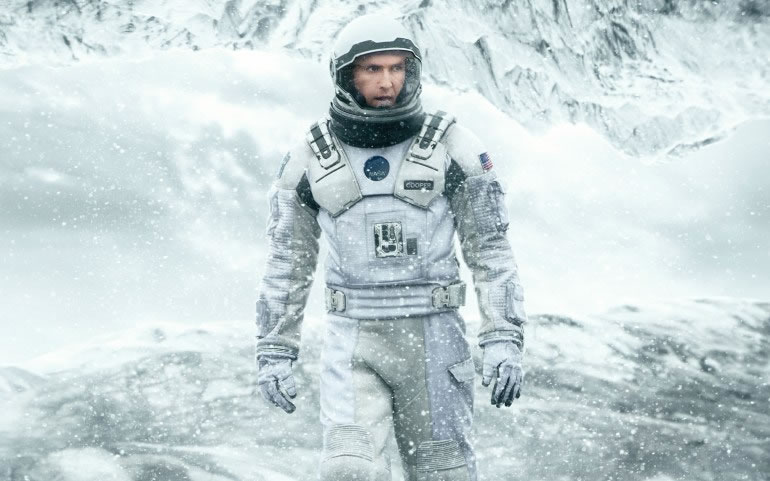 humor and personality.
At the same time, works like Interstellar, directed by Christopher Nolan, pointed toward a more ambitious and reflective cinematic approach.
It was a transitional moment: between traditional blockbusters and the rise of interconnected mega-franchises.
Music: the world still sounded different
In music, the landscape was also distinct.
Artists like Taylor Swift were beginning to solidify their transformation into global pop icons. Hits dominated the charts, but streaming had not yet reached the level of immediate cultural impact it holds today.
YouTube was already influential, but it did not dictate trends with the same speed. Songs had longer life cycles. The concept of instant virality was still taking shape.
It was a world where music lingered longer — both on the charts and in people’s minds.
Culture and behavior: a quiet transition
In 2014, many behaviors that seem natural today were still emerging.
Discussions about mental health were gaining traction, but were not yet as open and widespread as they are now. Social and identity issues were becoming more visible, but had not yet taken center stage in public discourse.
Remote work was the exception, not the norm. The idea of constant virtual meetings still felt distant.
People were still more present in the physical world — even as digital life expanded.
Technology: before exponential acceleration
Artificial intelligence was not yet part of everyday life. Advanced tools capable of generating text, creating images, and automating complex processes were confined to technical and academic environments.
The “creator economy” was still in its early stages. Being a digital influencer was not yet widely recognized as a structured profession.
The world was connected — but not yet fully transformed by technology.
The time that passed — and what remained
Since 2014, the world has experienced events that reshaped recent history:
- Global pandemics
- Accelerated technological advances
- Deep political shifts
- Major cultural transformations
And throughout all of this, Italy remained absent from the World Cup.
This creates a powerful contrast.
While the world evolved, reinvented itself, and in many ways became unrecognizable, one of football’s greatest national teams remained frozen in time — tied to its last appearance in a reality that no longer exists.

A marker that goes beyond football
Italy’s absence is not just a sporting statistic. It is a historical marker.
It forces us to look back and realize how much the world has changed in a relatively short period.
What was once trending has become outdated. What once felt stable has shifted. What once seemed certain has become uncertain.
And perhaps that is the most important reflection:
Football, like the world itself, does not forgive stagnation.
When the past still steps onto the pitch
When Italy eventually returns to the World Cup, it will not be just a sporting comeback.
It will, in a way, be a reunion with a lost era.
A time when the world was different. When the pace of life was slower. When many of today’s certainties had not yet been formed.
And when that moment comes, it will make it even clearer how much time has passed — not just on the calendar, but in the way we live, think, and understand the world.
Because, in the end, the question raised by Italy’s absence is not only about football.
It is about time.
And about everything that can change… while a historic jersey disappears from the biggest stage on Earth.