
History, global expansion, curiosities, and the tournaments that shaped the planet
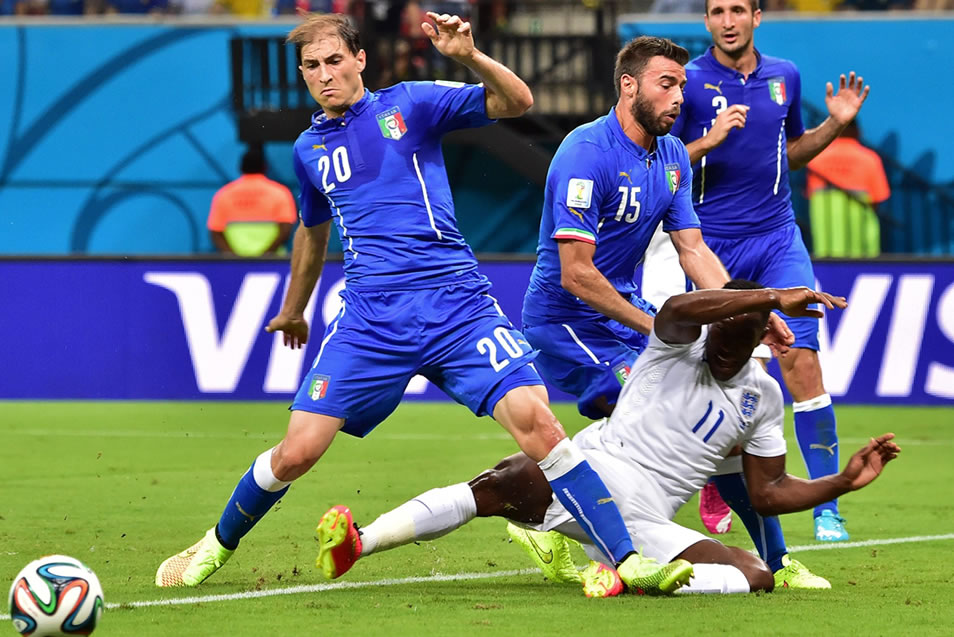
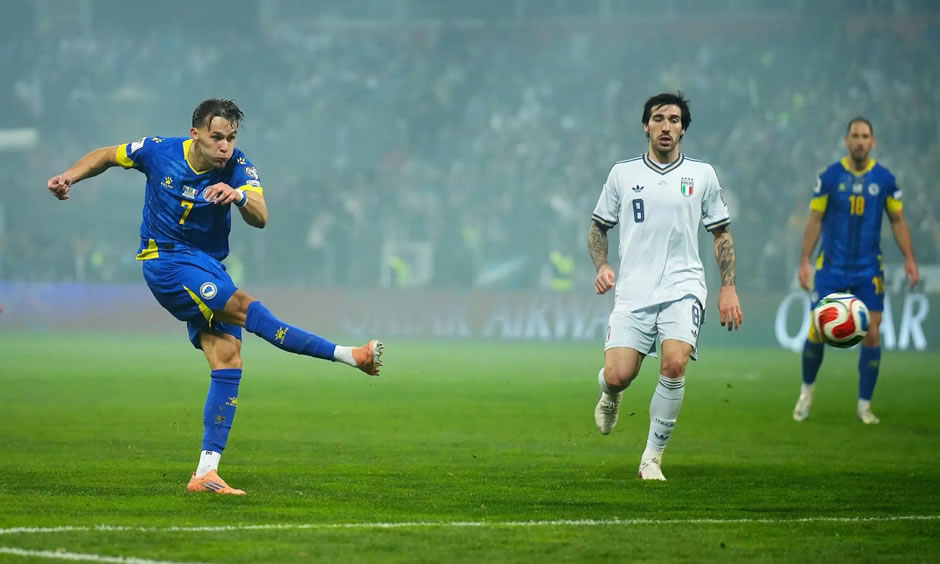
There’s something almost magical about football. It’s simple enough to be born on a dirt street with two sandals as goalposts — and grand enough to bring entire countries to a standstill during a World Cup final. No other sport combines, with such intensity, accessibility, drama, cultural identity, and global spectacle.
But how did football reach this level? Why did it become the most popular sport on Earth, crossing linguistic, political, and economic borders?
The answer runs through history, colonization, industry, media, collective emotion, and above all, football’s unique ability to turn a game into an epic narrative.
From ancient origins to modern football
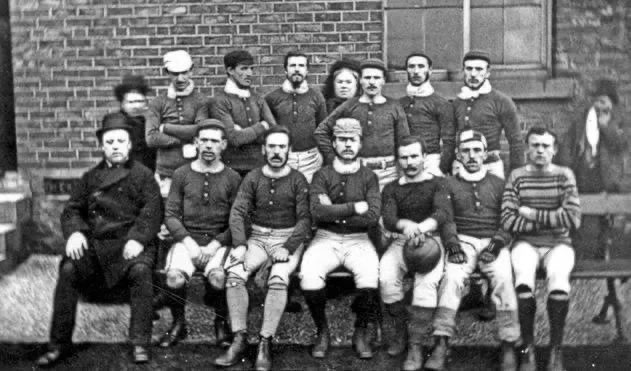
Ball games have existed for millennia. Ancient civilizations such as the Chinese, Greeks, Romans, and Mesoamerican peoples already practiced activities that involved kicking or manipulating spheres. However, the football we know today began taking shape in 19th-century England.
In 1863, the Football Association was founded, standardizing rules and definitively separating football from rugby. That moment marked the official birth of “association football,” which would later become simply “football” in most of the world — or “soccer” in some English-speaking countries.
The British Empire played a decisive role in spreading the sport. English merchants, workers, and sailors carried the ball to ports, factories, and colonies. Before long, the game was present in South America, continental Europe, Africa, and Asia.
In 1904, FIFA was founded, the organization that would coordinate football on an international scale. In 1930, the first FIFA World Cup was held in Uruguay — an event that cemented the sport as a global phenomenon.
Simplicity: the key to universality
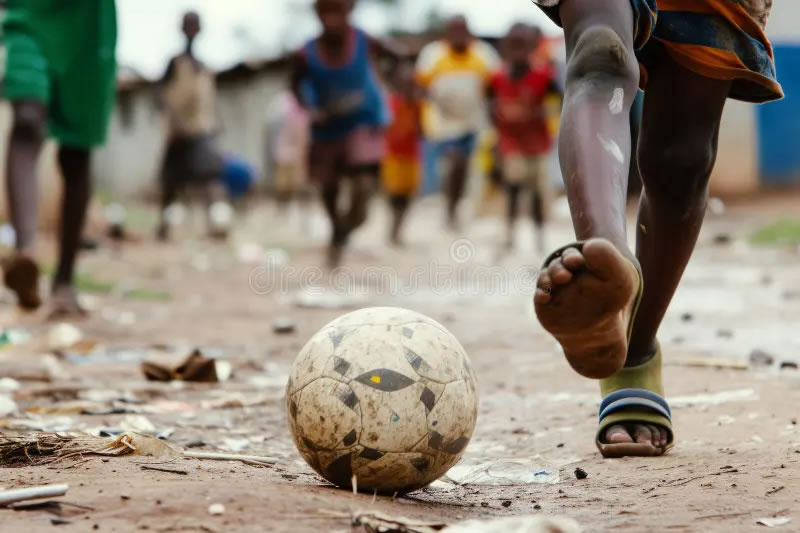
Football doesn’t require expensive equipment, specialized courts, or sophisticated technology. A ball (or something that resembles one), an open space, and two points to represent goalposts are enough.
That simplicity allowed the sport to flourish in England’s working-class neighborhoods as much as in Brazilian favelas, African villages, and improvised fields across Asia. Unlike sports that demand complex infrastructure, football adapts to any reality.
It is democratic at its core.
The power of emotion and drama
Football is a low-scoring sport. That creates constant tension. Every move can change the course of a match. A single mistake, a flash of genius, or a stoppage-time goal can turn heroes and villains into instant legends.
Unpredictability is part of the charm. Unlike high-scoring sports, where outcomes tend to reflect statistical superiority, football allows the unlikely to happen often enough to keep hope alive.
This natural drama produces stories that go beyond the pitch and become collective memory.
Countries where football is religion
Football is global, but it is never the same everywhere. It absorbs cultural, historical, and social traits from each country. In some places, it’s entertainment. In others, it’s identity. In certain contexts, it becomes almost a civic religion — with its rituals, temples (stadiums), heroes, villains, and sacred memories.
Here’s how the sport takes on deep dimensions in different nations.
🇧🇷 Brazil: joy, improvisation, and national identity
In Brazil, football stopped being just a sport and became a cultural language.
The Brazil national team is the most successful World Cup winner and helped project the country internationally. The third title in 1970 cemented the image of “football as art,” associated with creativity, improvisation, and refined technique.
Brazilian style is often described as spontaneous, playful, and technical — a legacy of street kickabouts and the cultural mix that defines the country.
Clubs like Flamengo, Corinthians, Palmeiras, São Paulo, Santos, and Grêmio mobilize massive fanbases. Stadiums like the Maracanã became national symbols.
On decisive matchdays, routines shift across work, commerce, and family life.
🇦🇷 Argentina: passion, intensity, and rivalry
In Argentina, football is lived with almost theatrical intensity.
The adoration of Diego Maradona went beyond sport, reaching symbolic and political dimensions. Decades later, Lionel Messi completed the cycle by winning the World Cup, reinforcing the national feeling.
Boca Juniors and River Plate star in the “Superclásico,” one of the most intense rivalries on the planet.
Argentine football blends national pride, rivalry, and historical memory.
🇩🇪 Germany: structure, efficiency, and rebuilding
The German national team symbolizes organization and a competitive mindset.
After struggles in the early 2000s, Germany rebuilt its development system, investing in infrastructure and youth academies. The result was a generation that won the 2014 World Cup.
The German model stands out for responsible financial management and for giving supporters a formal role in club governance.
🇪🇸 Spain: rivalry and regional identity
In Spain, football intertwines with historical and regional questions.
“El Clásico,” between Real Madrid and Barcelona, goes beyond the pitch and involves cultural identities.
Between 2008 and 2012, Spain lived a technical revolution, winning two European Championships and a World Cup with a style based on possession and collective intelligence.
🏴 England: tradition and a global industry
The birthplace of modern football turned tradition into economic power.
The Premier League is considered the most popular and commercially powerful national league in the world. English clubs have supporters spread across every continent.
Local rivalries preserve deep community roots, while global marketing expands international influence.
The tournaments that move billions
Football is passion — but it is also industry.
Broadcast rights, global sponsorships, sports tourism, and transfers turned major competitions into massive economic engines.
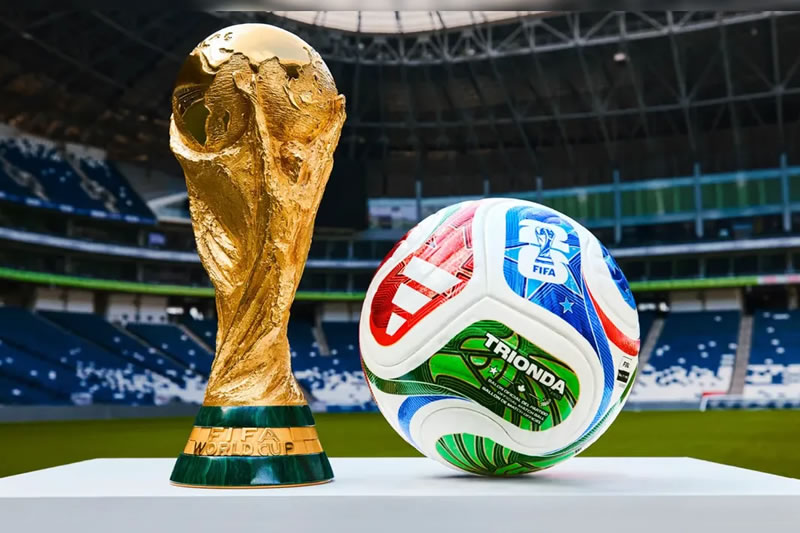
FIFA World Cup
Created in 1930, it became the biggest sporting spectacle on the planet.
Held every four years, it brings together national teams. The final is watched by more than 1 billion people.
Moments like Brazil 1970, the “Hand of God” in 1986, or Argentina’s title in 2022 are chapters in global memory.
In 2026, the competition will feature 48 teams, expanding its reach even further.
UEFA Champions League
If the World Cup is the peak among national teams, the Champions League is the summit among clubs.
Created in 1955, it brings together Europe’s top teams. Its strength lies in the concentration of talent, global exposure, and a consolidated brand.
The final is one of the most watched annual events in the world.
Copa Libertadores
Created in 1960, it represents the South American soul.
Marked by intense rivalries and vibrant stadiums, it has strong protagonism from Brazilian and Argentine clubs.
FIFA Club World Cup
It brings together continental champions to determine the best club in the world. The tournament is undergoing a format expansion to achieve broader global reach.
Football at the Olympic Games
Present since the early 20th century, it retains historical relevance. The women’s tournament carries enormous prestige.
National competitions: the engine of the system
Domestic leagues sustain the global calendar.
-
Premier League (England)
-
La Liga (Spain)
-
Serie A (Italy)
-
Bundesliga (Germany)
-
Ligue 1 (France)
In South America, the Campeonato Brasileiro and the Argentine league stand out, shaped by competitive balance and intense rivalries.
Emerging markets
Saudi Arabia invested heavily to attract international stars, increasing its sporting visibility.
China experienced a financial boom in the 2010s, but reduced investments in recent years. Even so, its market potential remains significant.
The making of global idols
Football doesn’t only create champions. It creates mythologies.
Unlike many sports, where the star is part of a statistical system, in football a player can redefine the destiny of a match — and sometimes of an entire generation. A goal can turn an athlete into a national symbol. A dribble can become cultural heritage. A title can cement a legend.
The great football idols go beyond the pitch. They become aesthetic, political, behavioral, and economic references. They are living narratives.
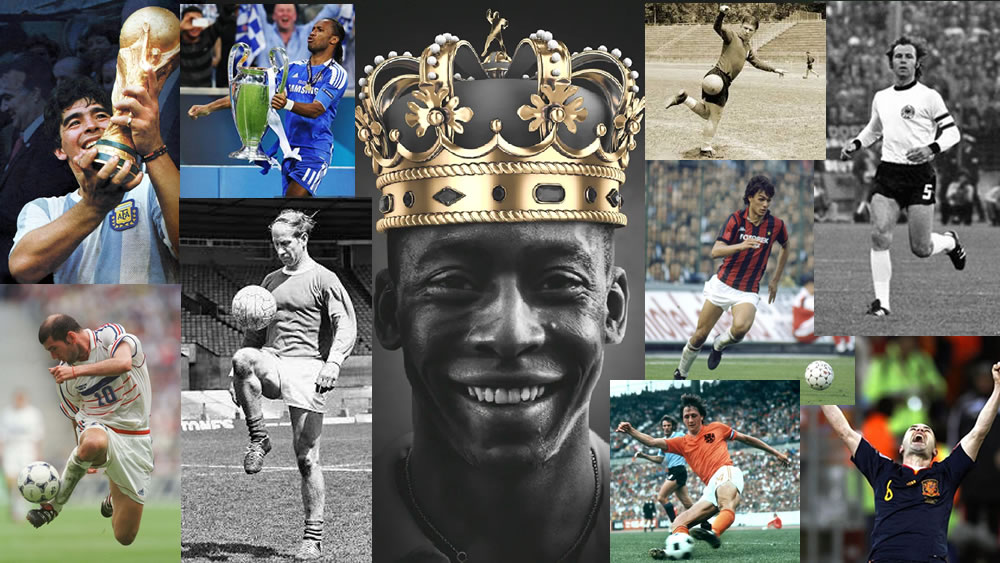
🇧🇷 Brazil: art, genius, and spectacle
Pelé is the ultimate archetype of a global idol. A three-time World Cup winner (1958, 1962, 1970), he helped turn Brazil into a football powerhouse and was one of the first athletes to achieve truly planetary recognition. In an era without the internet, his image traveled the world. Pelé became synonymous with football.
But Brazil’s lineage is extensive.
Garrincha enchanted with his unpredictable dribbling.
Zico symbolized refined technique.
Ronaldo Nazário defined an era in the 1990s and 2000s.
Ronaldinho Gaúcho turned a smile and creativity into a global trademark.
Brazil cemented the idea that football can be art.
🇦🇷 Argentina: intensity and rebellion
Diego Maradona may represent the most visceral idol in the sport’s history. The 1986 World Cup title and the famous goal against England turned him into a political and cultural symbol.
Decades later, Lionel Messi completed an almost literary arc. After years of comparisons with Maradona, he won the 2022 World Cup, cementing himself as one of the greatest ever.
Argentina also produced names like Alfredo Di Stéfano (who shone in Spain) and Gabriel Batistuta, expanding its international influence.
🇪🇸 Spain: elegance and tactical revolution
Andrés Iniesta scored the goal that secured the 2010 world title and symbolizes Spanish football’s golden era, defined by ball control and collective intelligence.
Before him, Raúl González was a leadership reference at Real Madrid. Xavi Hernández redefined the role of the cerebral midfielder.
Spain built idols tied to the aesthetics of collective play.
🏴 England: tradition and pioneering spirit
Bobby Charlton was central to England’s 1966 World Cup win and became a symbol of resilience after the Manchester United air disaster.
In later generations, names like David Beckham expanded the concept of an idol beyond the pitch, blending fashion, advertising, and pop culture.
🇮🇹 Italy: discipline and charisma
Paolo Maldini represents longevity and defensive excellence. A captain—elegant and consistent—he became a global reference for the position.
Other iconic names include Roberto Baggio — whose career blends genius and drama — and Francesco Totti, a symbol of loyalty to a single club.
🇩🇪 Germany: efficiency and leadership
Franz Beckenbauer revolutionized the sweeper role and won the World Cup as both player and coach. He is one of the few to master the sport in multiple dimensions.
Later, Miroslav Klose became the all-time top scorer in World Cups, reinforcing Germany’s tradition of competitiveness.
🇫🇷 France: talent and diversity
Zinedine Zidane symbolizes elegance and technical genius. He decided finals, defined an era at Real Madrid, and became a global icon.
More recently, Kylian Mbappé has emerged as the natural heir to that lineage, combining speed, charisma, and early protagonism.
Other giants who defined eras
Football has also produced legends outside that axis:
-
Johan Cruyff (Netherlands) revolutionized tactical concepts.
-
Ferenc Puskás (Hungary) was one of the greatest scorers in history.
-
George Best turned talent into a cultural phenomenon in the 1960s.
-
Didier Drogba symbolized African leadership in modern football.
Each one helped expand the sport’s global dimension.
The contemporary era: Messi and Cristiano Ronaldo
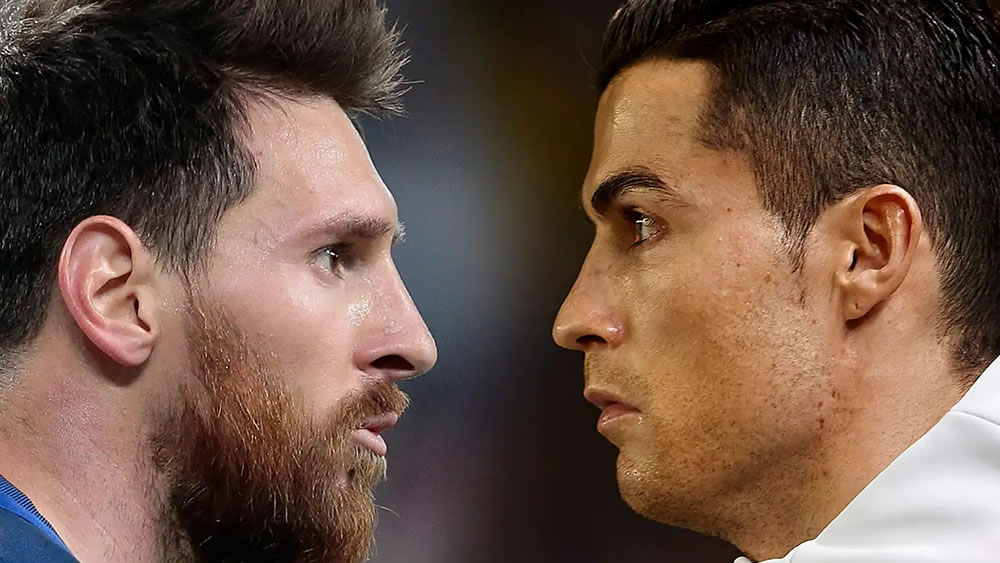
Over the last two decades, the rivalry between Lionel Messi and Cristiano Ronaldo has redefined the concept of a global idol.
They dominated individual awards, broke historic records, and expanded their influence beyond sport.
Cristiano Ronaldo built an image associated with extreme discipline, physical preparation, and exemplary personal branding. He became one of the most followed figures on the planet on social media.
Messi, on the other hand, established himself as a symbol of natural talent and almost intuitive vision of the game. His journey — from a shy prodigy to a world champion — added emotional dimension to his legend.
Both are more than athletes: they are international brands.
Idols as an economic and cultural phenomenon
Today, top players drive:
-
Multi-million-dollar advertising deals
-
Their own product lines
-
Massive digital audiences
-
Record-breaking transfers
They influence fashion, behavior, and even social debates.
Football creates heroes because it offers a constant global stage. Every week, millions watch what they do. With every tournament, new narratives are born.
And so, generation after generation, the sport renews its pantheon.
Because in football, the game is collective — but the legend usually has a proper name.
Women’s football
The growth of women’s football is one of the most significant movements in the sport’s recent history. What for decades was marginalized, banned in some countries, and treated as secondary has become one of the strongest forces expanding football globally.
In many parts of the world, women were officially prevented from playing football throughout the 20th century. In Brazil, for example, the sport was banned by law between 1941 and 1979. In England, the federation barred women’s matches in official stadiums for decades. Even so, the sport endured — often played informally, outside major centers, and without institutional support.
The turning point began gaining strength in the 1990s, when the first FIFA Women’s World Cup helped structure the international calendar. Since then, the tournament has evolved in remarkable ways.
The Women’s World Cup has been setting successive records for viewership, stadium attendance, and digital engagement. Recent finals have been watched by tens of millions of people around the world. In addition, major European leagues began investing seriously in their women’s teams, professionalizing structures, improving contracts, and expanding media coverage.
Countries like the United States, Germany, England, France, and Spain have built highly competitive national teams. U.S. women’s football, in particular, became a global benchmark for organization and international success.
Traditional clubs created strong women’s sides integrated into their historic brands. That expanded fanbases and strengthened recognition for the athletes.
Another central point is social impact. Women’s football became a symbol of representation, equal opportunity, and cultural change. Many players took on leadership not only on the pitch, but also in debates about pay equity, media visibility, and rights in sport.
Increased investment, TV coverage, and sponsorships also reshaped public perception. Today, young girls grow up with established professional role models — something unthinkable a few decades ago.
Women’s football is not merely an expansion of traditional football. It represents a redefinition of space, narrative, and inclusion within the world’s most popular sport.
And its growth is still far from hitting the ceiling. Everything suggests we are only at the beginning of a new era — one in which football, more and more, truly is for everyone.

Why does it remain dominant?
No other sport brings together, at the same time:
-
Low cost
-
Simple rules
-
Dramatic narrative
-
Cultural identity
-
Organized global structure
-
Media power
More than a game
Football is not only the most popular sport in the world. It is a social, economic, and cultural phenomenon.
Born in the streets, it grows in clubs, explodes in stadiums, and becomes eternal in collective memory.
It can unite a country or divide families in local derbies. It can create heroes, provoke tears, and generate collective euphoria.
And perhaps it is exactly this combination — simplicity at its core and grandeur at its scale — that explains why football reigns supreme on the planet.