Death is one of the most universal experiences in human life and, at the same time, one of the least understood. Throughout history, cultures, religions and traditions have developed different interpretations about what happens in the final moment of life. However, modern medicine — especially the field of palliative care — has made it possible to better understand the physiological processes that occur when the human body approaches the end.
Contrary to many popular beliefs, the process of dying usually does not happen suddenly or dramatically. In most cases, the body enters a gradual process of slowing down, in which several bodily systems begin to lose efficiency and, little by little, stop functioning.
This period may last hours or days and often presents a series of relatively characteristic physical and neurological signs. Although these signs may appear frightening to family members and observers, they are part of a natural process of the body.
Understanding these signs helps reduce fear, anxiety and emotional suffering for those who accompany a loved one during their final moments.
The gradual slowing of the body
When the human body approaches the end of life, a phenomenon known as progressive failure of physiological systems occurs.
This means that organs and body systems begin to reduce their activity, mainly because:
-
metabolism decreases drastically
-
blood circulation becomes less efficient
-
the brain begins to regulate bodily functions less effectively
-
organs no longer receive sufficient energy and oxygen
Unlike what many people imagine, this process rarely happens instantly. In general, the body goes through a series of predictable changes that reflect the gradual reduction of metabolic activity.
The first systems to show changes are usually those related to consciousness, nutrition and behavior.
Deep sleepiness and changes in consciousness
One of the most common signs in the last hours or days of life is a change in the level of consciousness.
The person may begin to:
-
sleep most of the time
-
have difficulty maintaining conversations
-
appear confused or disoriented
-
respond slowly to stimuli
As the process progresses, sleepiness tends to deepen until the person enters a state of reduced consciousness or unconsciousness.
This phenomenon occurs because the brain begins to receive less oxygen and less glucose, two substances essential for the functioning of nerve cells.
In addition, electrical activity in the brain may become irregular, which also contributes to episodes of confusion or delirium.
In many cases, family members report unexpected moments of clarity, in which the person briefly seems to regain mental lucidity before returning to a sleepy state. These episodes are known as terminal lucidity, a phenomenon that is still not fully understood by science.
Decreased appetite and thirst
Another very common sign near the end of life is a significant reduction in the desire to eat and drink.
For family members, this behavior can be distressing, because it may seem as though the person is “dying of hunger or thirst.” However, medicine explains that this is part of the natural slowing of the body.
When metabolism decreases:
-
the body requires less energy
-
the digestive system functions more slowly
-
the sensation of hunger disappears
In addition, swallowing may become difficult due to the relaxation of the muscles of the throat and tongue.
For this reason, in palliative care contexts, health professionals usually avoid forcing food intake. Instead, the focus shifts to maintaining comfort and minimal hydration, when necessary.
Changes in breathing
As the nervous system loses efficiency, breathing begins to show characteristic changes.
Among the most commonly observed alterations are:
-
slower breathing
-
shallow breathing
-
pauses between breaths
-
irregular breathing patterns
One of the most well-known patterns is Cheyne-Stokes breathing.
In this type of breathing, the individual presents cycles in which:
-
breathing begins weakly
-
becomes progressively deeper
-
returns to being shallow
-
a pause in breathing occurs
This cycle may repeat several times and usually appears when the brain is no longer able to adequately regulate the breathing rhythm.
Although this pattern may appear alarming to observers, it is part of the body's natural response to the progressive weakening of the central nervous system.

The so-called “death rattle”
Among the signs that often cause the greatest emotional impact on family members is the so-called death rattle, also known as the terminal respiratory secretion sound.
This sound occurs when natural secretions — such as saliva and mucus — accumulate in the airways.
Under normal conditions, the body eliminates these secretions through automatic reflexes such as:
-
swallowing
-
coughing
-
clearing the throat
However, in the final stages of life, these reflexes disappear. As a result, secretions remain in the throat and produce a sound similar to a gurgling or rattling noise when air passes through during breathing.
Although it may seem distressing to those who hear it, studies show that the person is usually unconscious or has greatly reduced awareness, which means the sound rarely represents real suffering for the patient.
In palliative care, some simple measures can reduce the noise, such as:
-
positioning the person on their side
-
using medications that reduce secretion production
-
keeping the mouth and throat comfortable
Changes in blood circulation
As the heart weakens and blood pressure drops, the body begins to prioritize blood flow to essential organs such as:
-
the brain
-
the heart
-
the lungs
This means that peripheral areas begin to receive less circulation.
As a result, signs may appear such as:
-
cold hands and feet
-
pale or bluish skin
-
purplish blotches on the skin
These blotches are known as skin mottling.
They appear most frequently on the feet, knees and legs, indicating that circulation is becoming increasingly limited.
This phenomenon occurs because the body attempts to conserve energy and maintain the activity of vital organs for as long as possible.
Reduced urine production
The kidneys depend directly on blood circulation to function properly.
When blood pressure drops, the kidneys receive less blood and begin to produce less urine.
At this stage, it is common to observe:
-
longer intervals between urination
-
darker and more concentrated urine
-
increasingly smaller volumes of urine
This is a sign that the body is entering an advanced stage of metabolic slowdown.
Neurological changes and terminal agitation
Although many people remain calm during the final hours of life, some may experience episodes of agitation or restlessness.
This phenomenon is known as terminal delirium.
During these episodes, the person may:
-
move constantly in bed
-
speak in a confused manner
-
attempt to remove medical equipment
-
show anxiety or agitation
This behavior may occur due to several factors, including:
-
decreased oxygen in the brain
-
metabolic changes
-
effects of medications
-
progressive neurological dysfunction
In hospital or home care environments with medical support, these symptoms are usually treated with medications that help promote calm and comfort.
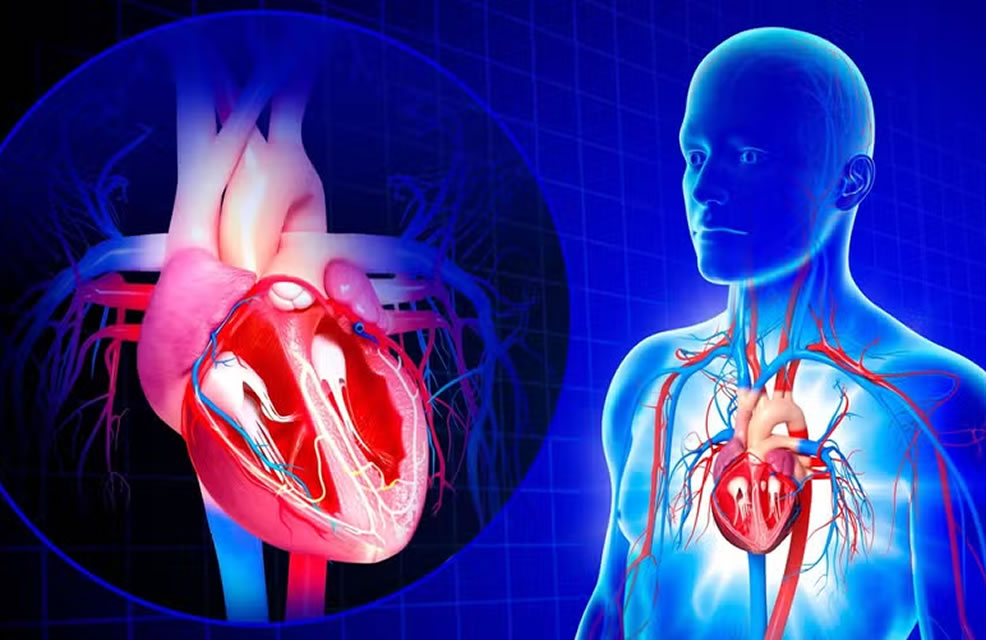
The progressive weakening of the heartbeat
In the final stages of life, the heart also undergoes significant changes.
Heartbeats may become:
-
weaker
-
irregular
-
slower
With the progressive weakening of cardiac activity, the body gradually loses the ability to maintain blood circulation.
This process culminates in cardiorespiratory arrest, the moment when the heart stops pumping blood and breathing ceases permanently.
The role of palliative care
Modern medicine recognizes that, in many cases, the focus of treatment at the end of life should not be cure, but rather comfort and dignity for the patient.
This approach is called palliative care.
Palliative care aims to:
-
relieve pain and discomfort
-
control physical symptoms
-
provide psychological support
-
support family members and caregivers
Palliative care teams include professionals such as:
-
physicians
-
nurses
-
psychologists
-
social workers
-
therapists
These professionals work to ensure that the person can live their final moments with the greatest possible comfort.
A natural process of the body
Although death is often viewed with fear or discomfort, medicine shows that, in most situations, the final process of life is a gradual transition of the organism.
The human body has mechanisms that naturally reduce the perception of pain and suffering as metabolism slows down.
Many people enter a state of deep sleepiness before death, which functions as a kind of physiological transition between life and the cessation of vital functions.
For family members, understanding this process can help transform a moment of great sadness into an experience of presence, farewell and care.
Knowledge, empathy and adequate support make a significant difference so that the end of life can be lived with dignity.