
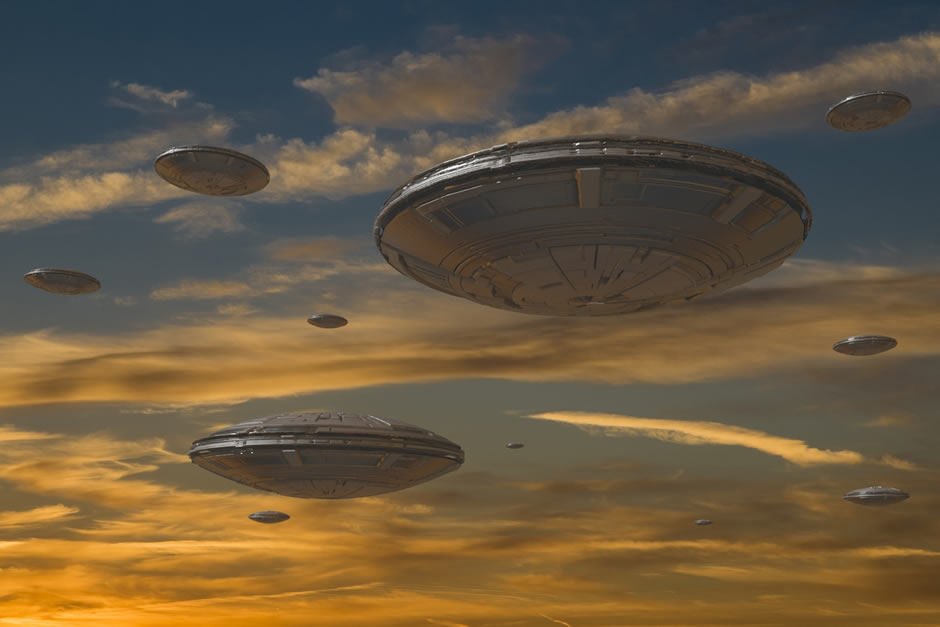
Ufology, as an organized field dedicated to the study and investigation of unidentified flying objects (UFOs), is a relatively recent phenomenon in human history. While reports of strange lights and unusual objects in the sky date back centuries, it was only in the 20th century—particularly in the aftermath of World War II—that these occurrences began to be documented, analyzed, and discussed with a more systematic and quasi-scientific approach.
The widely recognized starting point of this modern phase is the Kenneth Arnold sighting, which took place in 1947. From that moment on, a sequence of pivotal events—including the Roswell Incident—helped shape what is now known as contemporary ufology. Over the decades, the phenomenon has expanded across the globe, accumulating a vast number of reports, military investigations, and cases that remain unexplained to this day.
The Starting Point: Kenneth Arnold and the Birth of the “Flying Saucer”
On June 24, 1947, private pilot Kenneth Arnold was flying near Mount Rainier when he observed nine bright objects moving in formation across the sky. What caught his attention was not only their presence, but their extraordinary speed and unusual motion. According to Arnold, the objects moved erratically, “like a saucer skipping across water.”
This description was quickly picked up by the press and transformed into the now-famous term “flying saucer.” The phrase spread rapidly across newspapers and radio broadcasts, capturing the imagination of the public and establishing a new vocabulary for describing aerial phenomena.
The impact was immediate and profound. Within days, similar sightings were reported across the United States. For the first time, a pattern began to emerge: witnesses described objects with unconventional shapes, incredible speeds far beyond known aircraft capabilities, and flight behaviors that appeared to defy the laws of physics.
This event is considered the official birth of modern ufology not only because of the sighting itself, but due to the wave of reports and public attention that followed.
Roswell: The Case That Turned Curiosity into a Global Phenomenon
Less than a month after Arnold’s report, an event in Roswell would permanently alter public perception of UFOs.
In July 1947, military authorities announced that they had recovered a “flying disc” from a ranch near the city. The news was published in local newspapers and quickly spread nationwide. However, within hours, the official statement was revised: the object was reclassified as a weather balloon.
This abrupt change raised suspicion. Decades later, it was revealed that the debris was part of a classified military initiative known as Project Mogul, which used high-altitude balloons to monitor Soviet nuclear activity.
Despite the official explanation, the Roswell Incident remains one of the most controversial and widely discussed cases in ufology. Testimonies from former military personnel, accounts of unusual debris, and claims involving the recovery of non-human bodies have fueled speculation for generations.
Roswell transformed UFOs from isolated curiosities into a lasting global mystery, deeply embedded in both scientific inquiry and popular culture.
The Expansion of Ufology Worldwide
From the 1950s onward, UFO sightings and investigations spread across multiple countries, gaining increasing attention from both governments and the public.
Among the most notable cases are:
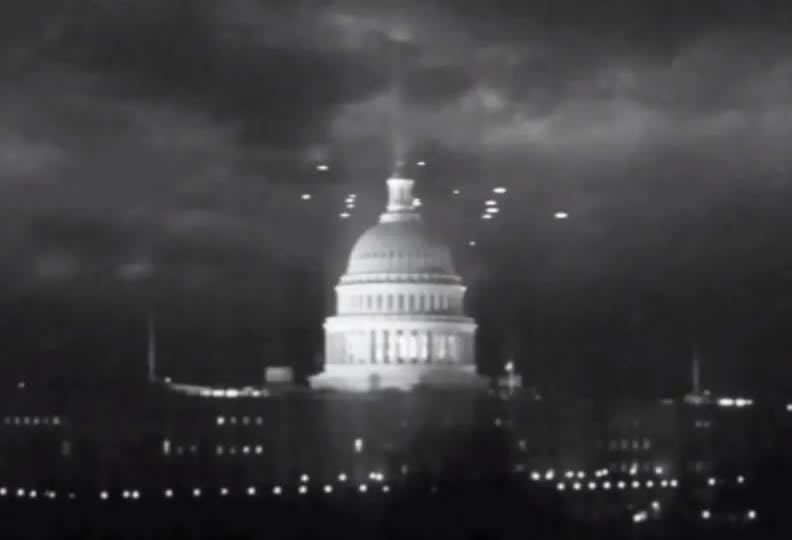
- Washington UFO sightings of 1952 — multiple unidentified objects were tracked on radar and visually observed over the U.S. capital, prompting a military response
- Betty and Barney Hill abduction case — reported in 1961, this case became the first major account of alleged alien abduction
- Rendlesham Forest incident — in the 1980s, military personnel reported strange lights and landed craft near a joint U.S.-UK base
These cases expanded the scope of ufology beyond simple aerial sightings, introducing new dimensions such as close encounters, physical effects, electromagnetic interference, and alleged interactions between humans and non-human entities.
Ufology in Brazil: Major Cases and Official Investigations
Brazil holds a prominent position in global ufology, with several cases considered among the most significant ever recorded.
Operation Saucer: A Military Investigation in the Amazon
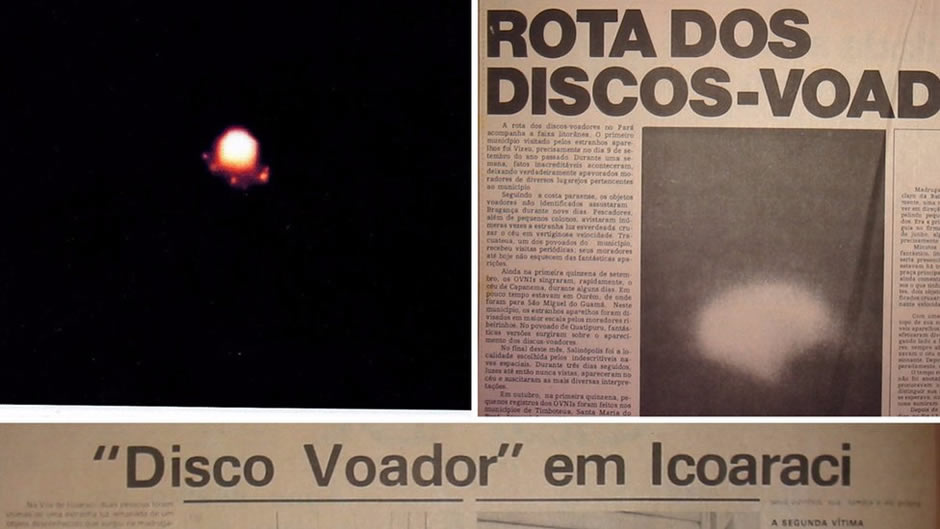
Between 1977 and 1978, the Brazilian Air Force conducted the Operation Saucer in the region of Colares.
Local residents reported being attacked by mysterious lights, which allegedly caused burns, puncture marks, and even blood loss. The phenomenon became known as the “chupa-chupa.”
The operation resulted in:
- Photographic documentation of luminous objects
- Detailed witness testimonies
- Systematic monitoring of affected areas
The collected material remained classified for many years and was only partially declassified decades later. To this day, no definitive explanation has been established for the events.
The Varginha Case: Brazil’s “Roswell”
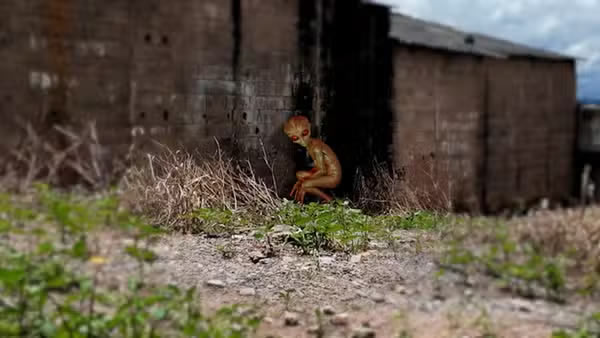
In 1996, the city of Varginha became the center of one of the most famous UFO cases in Latin America: the Varginha UFO incident.
Witnesses reported seeing a strange creature described as having a small body, large eyes, and dark skin. The situation escalated with reports involving military personnel, emergency services, and unusual movements of official vehicles.
Authorities later attributed the sightings to a misunderstanding involving a local individual under difficult conditions. However, the number of testimonies and inconsistencies in official explanations continue to fuel debate.
The Cláudio-MG Case: A Recent Episode
More recently, reports from the city of Cláudio have reignited discussions about unidentified aerial phenomena in Brazil.
Residents captured images and videos of unusual lights in the sky, displaying erratic movement patterns and silent flight characteristics. The footage quickly spread through social media, attracting attention from both enthusiasts and skeptics.
Although still lacking comprehensive investigation, the case highlights the persistence of such phenomena in the modern digital era.
A Shift in Terminology: From UFOs to UAPs
In recent decades—particularly from the early 2000s onward—there has been a noticeable shift in how governments and institutions approach these phenomena.
The term UFO has increasingly been replaced by UAP, reflecting a more neutral and scientific framing.
In the United States, the Pentagon officially acknowledged the existence of UAPs and released videos captured by military pilots. These recordings show objects exhibiting unusual characteristics, including:
- Sudden acceleration without visible propulsion
- Extremely high speeds
- Flight behaviors beyond current technological capabilities
While no extraterrestrial origin has been confirmed, the acknowledgment itself represents a significant milestone.
Possible Explanations: Between Science, Technology, and the Unknown
Over the years, multiple hypotheses have been proposed to explain UFO sightings:
- Natural phenomena
Atmospheric effects, ball lightning, and optical illusions may account for a portion of cases - Secret military technology
Experimental aircraft, drones, and classified systems are often misidentified as UFOs - Misinterpretation
Satellites, aircraft, and celestial bodies can be mistaken for unidentified objects - Unknown phenomena
Some cases remain unexplained even after thorough investigation
The Role of Culture and Media
Ufology has not evolved solely through scientific investigation, but also through cultural influence.
Films, television series, and literature have played a major role in shaping public perception, embedding UFOs into the collective imagination. This cultural layer, in turn, affects how witnesses interpret and describe their experiences.
An Open-Ended Phenomenon
More than seven decades after the first modern report, ufology remains an open and evolving field—positioned at the intersection of science, mystery, and culture.
From the sighting reported by Kenneth Arnold to recent events in Cláudio, including landmark cases such as Roswell, Varginha, and Colares, the recurring theme is clear: humanity continues to encounter phenomena that challenge straightforward explanation.
Whether these events are the result of natural processes, advanced human technology, or something not yet understood, UFOs—now increasingly referred to as UAPs—continue to inspire curiosity, debate, and investigation.
And perhaps that is the most important conclusion of all: ufology does not offer definitive answers, but rather compelling questions—and it is precisely those questions that keep the subject alive.