

The 10+ Highest-Grossing Movies of All Time — When Cinema Became a Global Phenomenon
There’s a fascinating moment in film history when cinema stops being just entertainment… and becomes an event.
It’s no longer simply “going to see a movie.”
It’s lining up around the block.
It’s buying tickets weeks in advance.
It’s sold-out theaters for months.
It’s watching the same film three or four times — and still feeling it was worth every dollar.
Some films crossed that invisible threshold and became financial colossi. Not just hits, but cultural earthquakes that generated billions and redefined what Hollywood means by the word blockbuster.
Below, you’ll find the highest-grossing films in history (worldwide totals, unadjusted for inflation), along with their production budgets, behind-the-scenes context, and the impact they left on global culture.
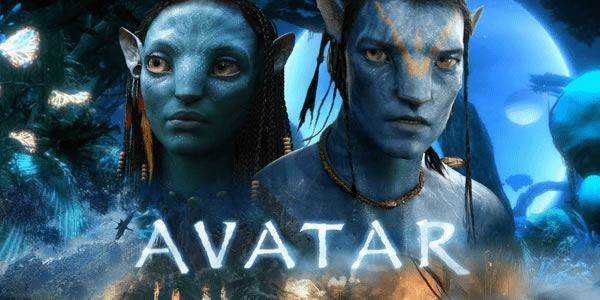
1) Avatar (2009)
Directed by: James Cameron
Production budget: ~ $237 million
Worldwide gross: ~ $2.92 billion
Brief synopsis
On the alien world of Pandora, a paraplegic former Marine inhabits a genetically engineered Na’vi body — an “avatar” — as part of a corporate-military mission. What begins as reconnaissance turns into a moral conflict between exploitation and preservation.
Context and trivia
When Avatar premiered, many doubted audiences would embrace an original sci-fi epic not based on an existing franchise. James Cameron answered with technology.
The film didn’t just use 3D — it redefined it. Its performance-capture system brought unprecedented facial nuance to digital characters. The lush ecosystem of Pandora felt immersive and alive, pushing theaters worldwide to upgrade projection systems to meet demand.
Interestingly, Avatar briefly lost its title as the highest-grossing film to Avengers: Endgame, only to reclaim it after international re-releases — a testament to its extraordinary staying power.
Impact
Avatar revitalized 3D cinema, raised the bar for visual effects, and proved that spectacle — when paired with universal themes — could still mobilize global audiences at scale.
2) Avengers: Endgame (2019)
Directed by: Anthony and Joe Russo
Production budget: ~ $356 million
Worldwide gross: ~ $2.79 billion
Brief synopsis
After Thanos wipes out half of all life in the universe, the surviving Avengers attempt a desperate mission to undo the devastation, bringing over a decade of interconnected storytelling in the Marvel Cinematic Universe (MCU) to a close.
Context and trivia
Few films in history carried this level of anticipation. Endgame was the culmination of a narrative arc that began in 2008 with Iron Man.
Advance ticket sales shattered records worldwide. In some cities, theaters ran screenings continuously for 24 hours. Audience reactions ranged from thunderous applause to stunned silence — more like a championship sporting event than a film premiere.
Impact
Endgame cemented the shared cinematic universe model as a dominant industry strategy and demonstrated how long-form storytelling could generate unprecedented box-office payoff.

3) Avatar: The Way of Water (2022)
Directed by: James Cameron
Production budget: ~ $350–400 million
Worldwide gross: ~ $2.32 billion
Brief synopsis
Jake Sully and Neytiri have built a family on Pandora, but a renewed human invasion forces them to seek refuge among oceanic Na’vi clans, expanding the world’s mythology beneath its seas.
Context
Thirteen years separated the sequel from the original. Many speculated audiences had moved on. Instead, the film proved that immersive theatrical experiences still command attention.
Cameron pioneered underwater motion-capture technology, and much of the cast trained extensively in free diving to enhance realism.
Impact
It confirmed that Avatar was not a one-time phenomenon and reinforced the idea that large-scale visual experiences still draw audiences away from streaming and back into theaters.

4) Titanic (1997)
Directed by: James Cameron
Production budget: ~ $200 million
Worldwide gross: ~ $2.26 billion
Brief synopsis
A young romance blossoms aboard the RMS Titanic, only to collide with history’s most infamous maritime disaster.
Context
During production, Titanic was widely labeled “the movie that would sink the studio.” Instead, it became the first film ever to surpass $1 billion at the global box office.
Its cultural reach extended beyond theaters. Celine Dion’s “My Heart Will Go On” dominated radio waves worldwide, embedding the film even deeper into popular consciousness.
Impact
Blending epic spectacle, historical tragedy, and intimate romance, Titanic became a cross-generational phenomenon — and established Cameron as a master of large-scale cinematic storytelling.

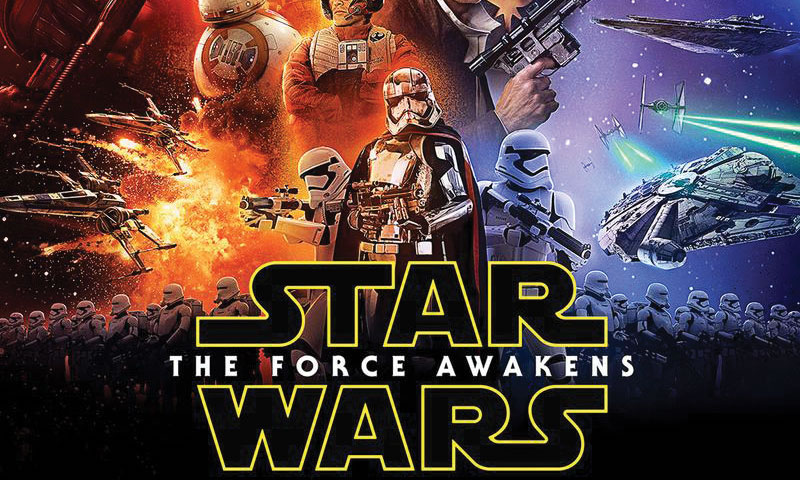
5) Star Wars: The Force Awakens (2015)
Directed by: J. J. Abrams
Production budget: ~ $245 million
Worldwide gross: ~ $2.07 billion
Brief synopsis
Decades after the fall of the Empire, a new threat rises as a young scavenger named Rey discovers her connection to the Force.
Context
Following Disney’s acquisition of Lucasfilm, anticipation reached a fever pitch. The return of legacy characters alongside new protagonists bridged generational divides.
Impact
The film reignited the Star Wars franchise for a new era and demonstrated the enduring power of nostalgia when combined with fresh storytelling.
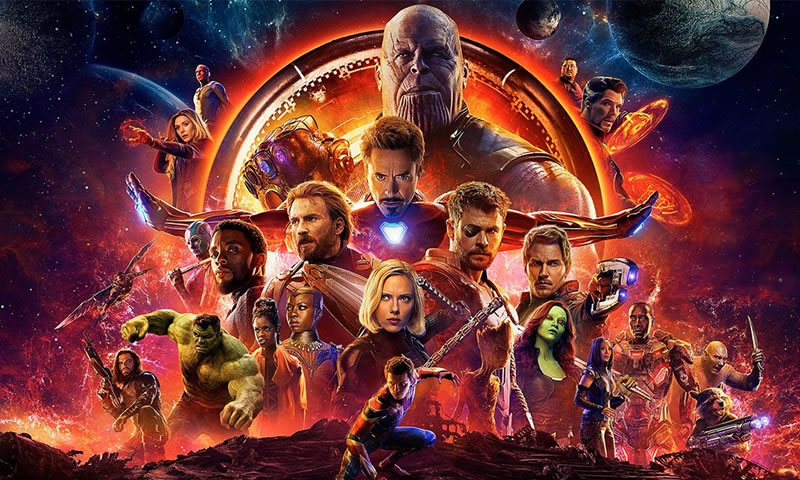
6) Avengers: Infinity War (2018)
Directed by: Anthony and Joe Russo
Production budget: ~ $316 million
Worldwide gross: ~ $2.05 billion
Brief synopsis
Thanos embarks on his mission to collect the Infinity Stones and eliminate half of all life — and succeeds.
Trivia
Few blockbuster films end with the villain victorious. Reports described stunned silence in theaters worldwide as audiences processed the finale.
Impact
It proved that mainstream audiences were willing to embrace darker, riskier endings — provided the emotional investment was strong enough.
7) Spider-Man: No Way Home (2021)
Directed by: Jon Watts
Production budget: ~ $200 million
Worldwide gross: ~ $1.92 billion
Brief synopsis
When Peter Parker’s identity is exposed, a spell gone wrong fractures the multiverse, bringing alternate versions of villains — and heroes — into his world.
Context
Released during a period when the theatrical industry was still recovering from pandemic disruptions, the film’s performance stunned analysts.
Impact
It demonstrated the powerful commercial force of nostalgia and legitimized the multiverse concept as a central narrative tool in mainstream cinema.

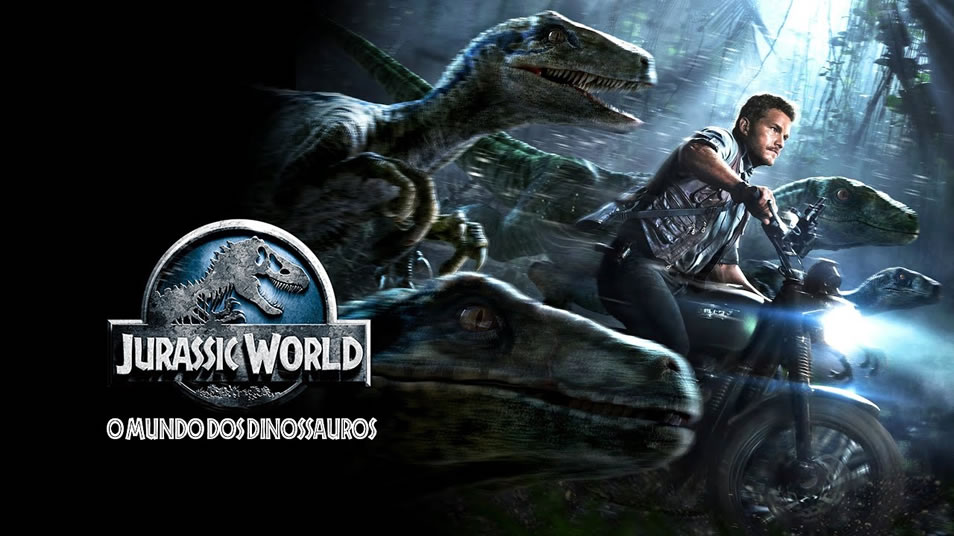
8) Jurassic World (2015)
Directed by: Colin Trevorrow
Production budget: ~ $150 million
Worldwide gross: ~ $1.67 billion
Brief synopsis
A fully operational dinosaur theme park descends into chaos after the creation of a genetically engineered hybrid predator.
Impact
By reviving the Jurassic Park legacy for a new generation, the film showed how dormant franchises could roar back to life with the right blend of nostalgia and modern spectacle.
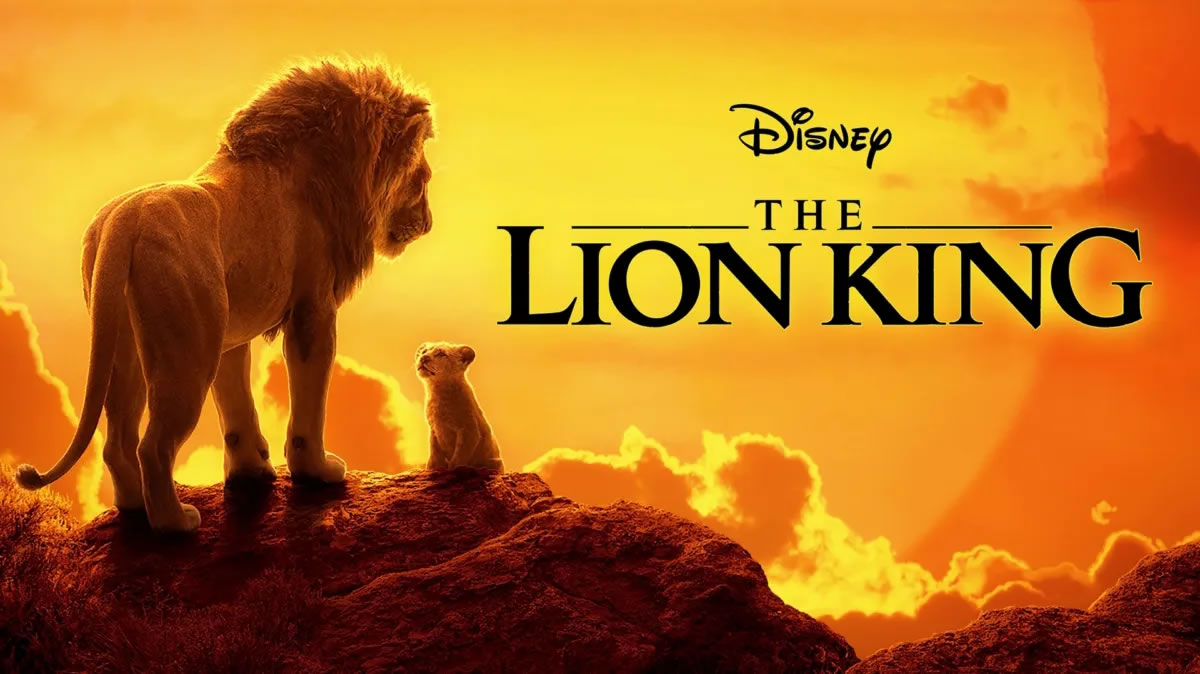
9) The Lion King (2019)
Directed by: Jon Favreau
Production budget: ~ $260 million
Worldwide gross: ~ $1.66 billion
Brief synopsis
A hyper-realistic reimagining of Simba’s journey to reclaim his rightful place as king.
Trivia
Though marketed as live-action, the film was almost entirely computer-generated — blurring the line between animation and realism.
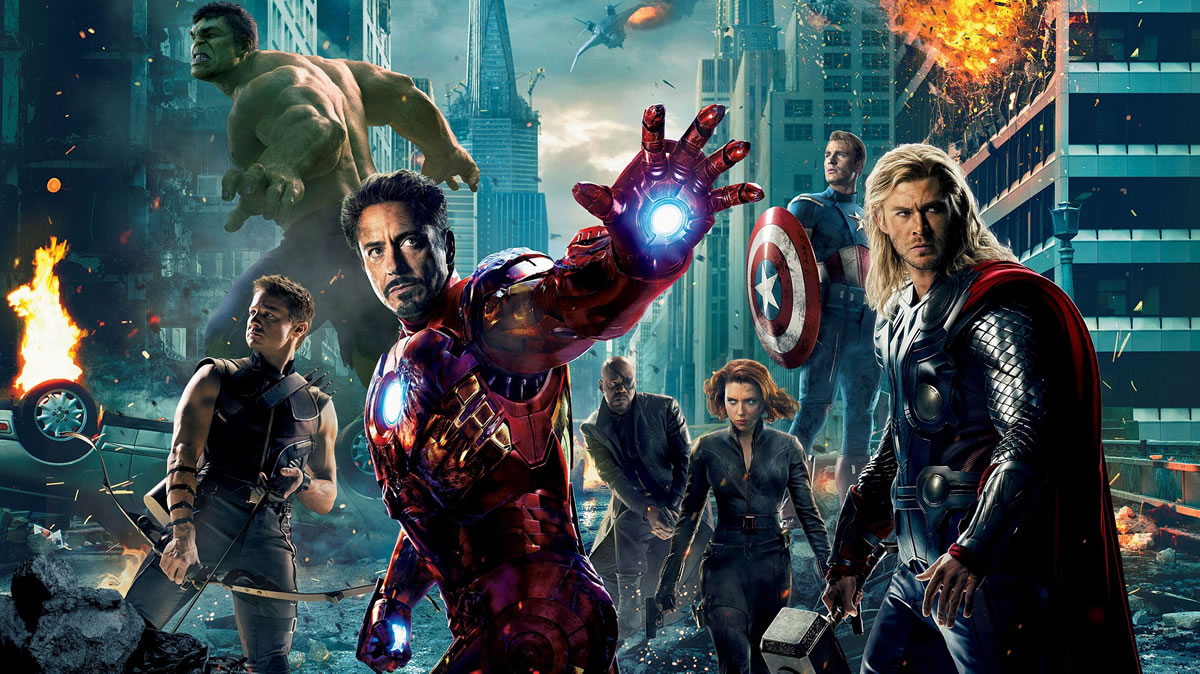
10) The Avengers (2012)
Directed by: Joss Whedon
Production budget: ~ $220 million
Worldwide gross: ~ $1.52 billion
Brief synopsis
Marvel’s heroes unite for the first time to stop Loki and an alien invasion threatening Earth.
Impact
It validated the shared-universe strategy and redefined what a crossover event could achieve financially.
When Billions Become a Universal Language
These figures are more than financial statistics.
Each ticket represents someone, somewhere in the world, sitting in the dark — sharing the same story with millions of others.
Several patterns emerge among these giants:
-
Global marketing strategies
-
Established franchises or cinematic universes
-
Stories designed for large-screen immersion
-
Universal emotional themes
It’s also notable that James Cameron appears multiple times at the top — a rare combination of technical obsession, narrative clarity, and commercial instinct.
Cinema as a Collective Ritual
Pandora. Wakanda. A galaxy far, far away. The deck of the Titanic.
These places don’t exist on a map, yet they live vividly in collective memory.
Blockbuster cinema functions as a modern ritual — gathering strangers in a dark room to synchronize laughter, suspense, shock, and applause.
In an era dominated by personalized streaming algorithms, these films remind us that we still crave shared experiences.
And What Comes Next?
With streaming platforms reshaping distribution models and audience habits evolving, some have predicted the decline of theatrical cinema.
Yet time and again, when a true event film arrives, theaters fill.
History suggests something simple:
When the promise is big enough, audiences show up.
There will always be another story poised to break records — and theaters ready to witness it together.
Because in the end, those billions don’t just represent revenue.
They represent something older.
The human need to gather — and experience a great story as one.