



Peach: Ancient Origins, Nutritional Benefits, Culinary Uses and Fascinating Curiosities
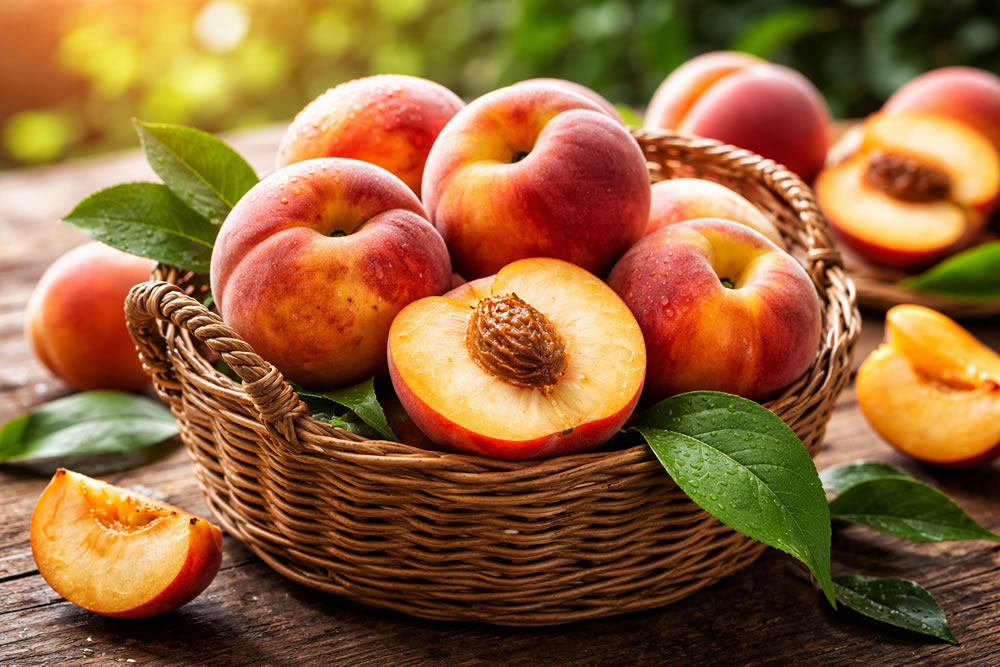
The peach is one of those fruits that seems simple at first glance, yet carries a millennia-old history, deep cultural symbolism and remarkable nutritional value. From a symbol of immortality in ancient China to a star ingredient in modern gastronomy, the peach has traveled across continents, empires and civilizations without losing its appeal.
Beyond its delicate sweetness and juicy texture, the peach represents a unique intersection of agriculture, mythology, science and cuisine. Few fruits combine historical depth and contemporary relevance as effortlessly.
Origin and Historical Journey of the Peach
Despite its scientific name Prunus persica suggesting Persian origin, the peach is native to China. Archaeological evidence shows that peaches were cultivated more than 4,000 years ago, particularly in regions surrounding the Yangtze River. Fossilized peach pits discovered in ancient settlements indicate that early farmers were already selecting and improving varieties long before the fruit reached the West.
Symbolism in Ancient China
In traditional Chinese culture, the peach was far more than food — it symbolized:
-
Immortality
-
Longevity
-
Spiritual renewal
-
Prosperity
In Taoist mythology, the legendary “Peaches of Immortality” grew in the gardens of the goddess Xiwangmu. According to the myth, these peaches ripened only once every thousands of years and granted eternal life to those who consumed them.
The fruit’s symbolic power was so strong that it became a recurring motif in Chinese art, porcelain, textiles and festival celebrations — a tradition that continues today.
From Asia to the Western World
The peach traveled westward along ancient trade routes, particularly the Silk Road. It reached Persia (modern-day Iran), where it was widely cultivated. The Greeks and Romans encountered the fruit through Persian trade — hence the name persica.
The Romans played a crucial role in spreading peach cultivation across Europe. Agricultural texts from the Roman Empire describe different varieties and cultivation techniques.
During the Age of Exploration, peaches were introduced to the Americas by European settlers. The fruit adapted well to temperate climates and became widely cultivated across North and South America. In Brazil, for example, peaches thrive particularly in the southern and southeastern regions.
Today, the largest producers include:
-
China (by far the world’s leading producer)
-
Spain
-
Italy
-
United States
-
Greece
Botanical Characteristics and Varieties
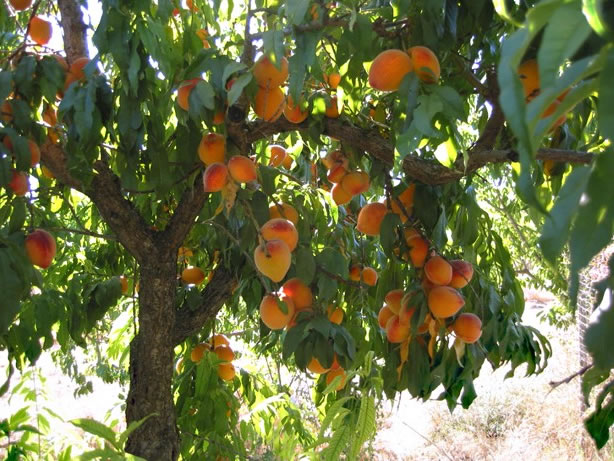
The peach tree belongs to the Rosaceae family — the same botanical family as apples, pears and roses. It is a medium-sized tree that typically grows between 10 and 20 feet tall (3–6 meters). Interestingly, peach trees bloom before producing leaves, creating breathtaking spring landscapes filled with pink blossoms.
Peach vs. Nectarine: What’s the Difference?
Many people assume peaches and nectarines are completely different fruits, but botanically they are the same species.
The main difference lies in the skin:
-
Peaches have fuzzy skin
-
Nectarines have smooth skin
This distinction results from a natural genetic mutation. Nutritionally and structurally, they are nearly identical.
Types of Peaches
Peaches are also classified based on flesh characteristics:
-
Yellow-fleshed peaches
-
White-fleshed peaches
-
Clingstone (flesh adheres to the pit)
-
Freestone (flesh separates easily from the pit)
These differences influence texture, sweetness and ideal culinary applications.
Nutritional Profile: What’s Inside a Peach?
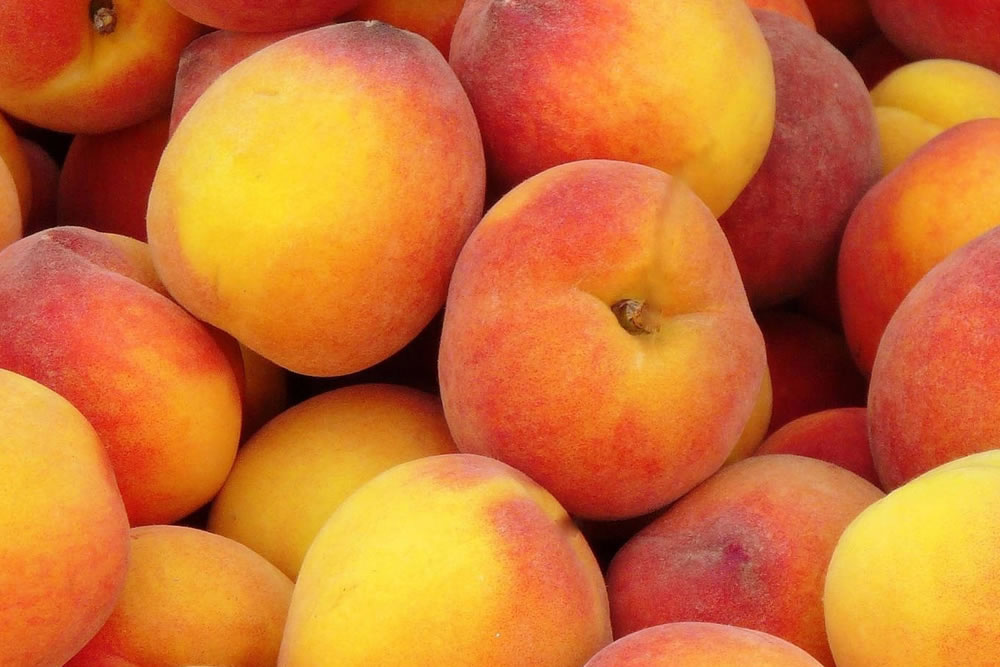
Peaches are low in calories and high in water content, making them an excellent addition to balanced diets.
Average Nutritional Values (per 100g of fresh peach)
-
Approximately 39 calories
-
Around 89% water
-
Natural carbohydrates (primarily fructose)
-
Dietary fiber
-
Small amounts of protein
-
Minimal fat
Vitamins
Peaches provide several essential vitamins:
-
Vitamin C – supports immune function and collagen production
-
Vitamin A (in the form of beta-carotene) – important for vision and skin health
-
B-complex vitamins, especially niacin (B3), which supports energy metabolism
Minerals
Key minerals found in peaches include:
-
Potassium – helps regulate blood pressure and fluid balance
-
Magnesium – supports muscle and nerve function
-
Phosphorus – contributes to bone health
-
Small amounts of iron
Fiber and Digestive Health
The fiber in peaches helps:
-
Support healthy digestion
-
Prevent constipation
-
Promote blood sugar balance
-
Increase satiety
Because of their high water content combined with fiber, peaches are often recommended as part of hydration-supportive diets.
Bioactive Compounds and Functional Benefits
Beyond basic nutrients, peaches contain bioactive compounds with antioxidant properties.
Key Antioxidants
-
Carotenoids
-
Phenolic compounds
-
Flavonoids
These substances help neutralize free radicals, which are associated with cellular aging and chronic diseases.
Some scientific studies suggest that regular consumption of antioxidant-rich fruits like peaches may contribute to cardiovascular protection and reduced inflammation. While no single fruit acts as a cure, incorporating peaches into a varied diet supports overall wellness.
Peaches in Traditional Medicine
In traditional Chinese medicine, different parts of the peach tree have been used for centuries.
Traditional uses include:
-
Peach blossoms associated with digestive stimulation
-
Seeds used in specific herbal preparations
-
The fruit considered a “cooling” food that promotes hydration and internal balance
It is important to note that these traditional practices are cultural knowledge systems and should not replace evidence-based medical treatment.
Culinary Applications: From Rustic to Refined
The peach is incredibly versatile in the kitchen.
Classic Sweet Preparations
-
Peach pies
-
Cobblers
-
Tarts
-
Cakes and muffins
-
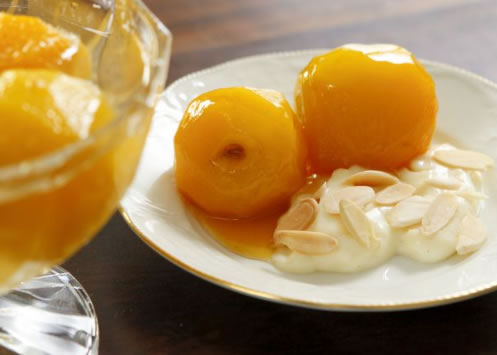
Jams and preserves
-
Syrup-packed peaches
-
Ice creams and sorbets
-
Mousses and parfaits
One iconic example is the American “peach cobbler,” a dessert deeply rooted in Southern culinary tradition.
Savory Applications
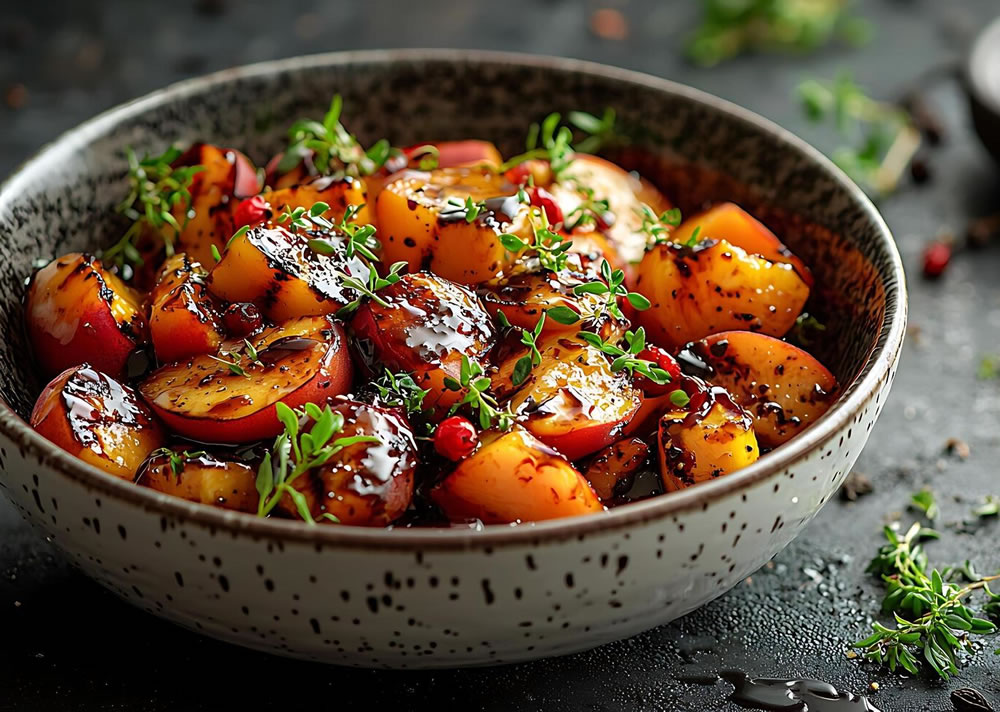
In modern gastronomy, peaches are increasingly featured in savory dishes:
-
Salads with leafy greens
-
Pairings with cheeses like brie, goat cheese or gorgonzola
-
Sweet-and-savory sauces
-
Accompaniments for pork and poultry
-
Grilled or caramelized peach slices
The fruit’s natural sweetness contrasts beautifully with salty, acidic and spicy ingredients.
Beverages and Aromatics
Peaches are also widely used in:
-
Fresh juices
-
Smoothies
-
Iced teas
-
Cocktails
-
Liqueurs
-
Fermented drinks
Their aroma has inspired perfumes, cosmetic products and flavored spirits worldwide.
Ways to Consume Peaches
Peaches can be enjoyed in multiple forms:
Fresh
-
Best consumed with the skin (after proper washing)
-
Retains maximum fiber and antioxidants
Canned in Syrup
-
Often contains added sugar
-
Should be consumed in moderation
Dried
-
More concentrated flavor
-
Higher calorie density
Frozen
-
Convenient for smoothies and desserts
-
Maintains much of its nutritional value
Cultivation and Climate Challenges
Peach trees require temperate climates and a certain number of “chilling hours” during winter to produce fruit properly. They thrive in well-drained soil with good sun exposure and regular pruning.
Key Agricultural Factors
-
Proper soil drainage
-
Sunlight exposure
-
Pest management
-
Seasonal pruning
In recent years, climate change has presented new challenges:
-
Shorter winters
-
Irregular frost patterns
-
Extreme weather events
These factors directly impact yield and fruit quality in many producing regions.
Fascinating Curiosities About Peaches
-
The peach pit contains an inner seed that includes compounds like amygdalin, which can release cyanide when metabolized — therefore not safe for direct consumption.
-
Peaches belong to the same botanical family as roses.
-
The fuzzy skin acts as natural protection against insects and excessive sunlight.
-
Hundreds of peach varieties exist worldwide.
-
In some Asian traditions, peaches symbolize marriage and prosperity.
-
Peach blossoms are widely admired as ornamental flowers in spring.
Peaches in Art and Culture
Throughout history, peaches have appeared in:
-
Classical Chinese paintings
-
European still-life artworks
-
Literature
-
Decorative ceramics
-
Cultural festivals
The fruit often represents youth, beauty and renewal — themes that transcend geography and centuries.
A Millennia-Old Fruit That Remains Relevant
The peach combines ancient mythology, agricultural resilience, nutritional value and culinary versatility in a single fruit. From Taoist legends to modern kitchens, it continues to bridge tradition and innovation.
Whether enjoyed fresh, baked into desserts or paired with savory dishes, the peach remains a symbol of sweetness, vitality and cultural continuity — a reminder that even the most familiar fruits can carry extraordinary stories.